Identity with boundaries built in.
Cardean Identity helps teams authenticate people and services, model organisations and roles, and keep access decisions explainable. It is built on open standards, strong authentication and deployment choice.
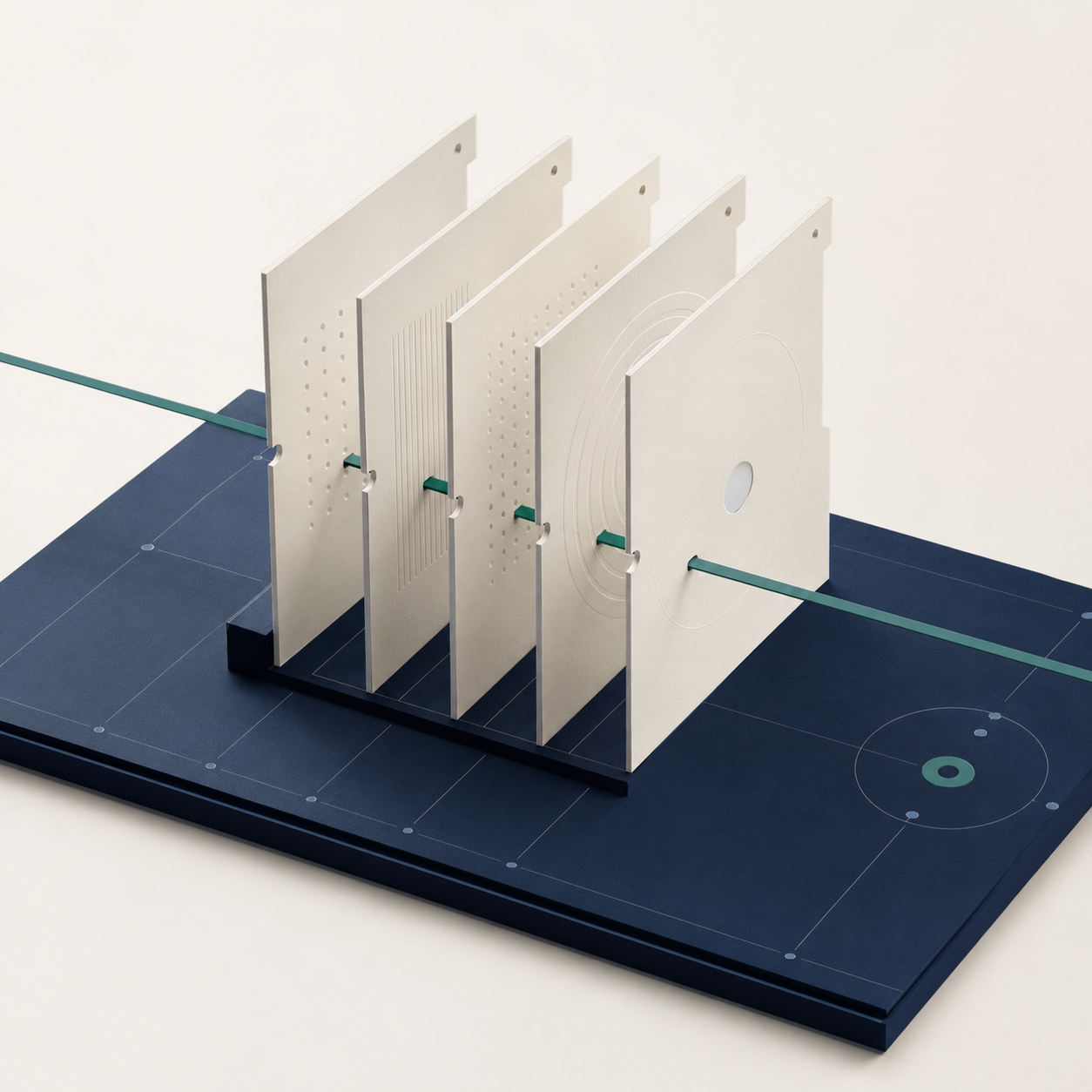
Six foundations behind the product.
Open protocols
Use established identity and federation standards to reduce bespoke integration and make portability possible: OAuth 2.0, OpenID Connect, SAML 2.0 and SCIM.
Strong authentication
Support passkeys, multi-factor authentication, recovery controls and risk-appropriate sign-in journeys.
Organisations and tenancy
Represent customers, partners, teams and delegated administrators without duplicating identity logic in every product.
Human and machine identities
Manage users, service accounts and workload identities with clear ownership and lifecycle.
Explainable access
Connect roles, attributes, policy and audit events so teams can understand why access was granted or refused.
Deployment choice
Support environments with different requirements for region, isolation, administration and operational control.
What Cardean Identity does.
Inside Cardean Identity:
- Hosted and custom sign-in experiences.
- User registration, verification and recovery.
- Passwordless and multi-factor authentication.
- Social and enterprise identity-provider connections.
- Organisations, memberships and delegated administration.
- Roles, permissions and policy hooks.
- Service accounts and machine-to-machine authentication.
- Session and token management.
- Identity lifecycle and provisioning.
- Event and audit history.
- APIs, SDKs and webhooks.
- Hosted and controlled deployment options.
Where teams put Cardean Identity to work.
B2B SaaS
Give each customer a clear organisation boundary, delegated administration and enterprise sign-on without rebuilding tenancy inside every application.
Public digital services
Connect strong authentication and role-aware access to services that need clear accountability and accessible user journeys.
Internal platforms
Bring people, services and environments into one consistent access model.
Multi-product organisations
Use a shared identity foundation across products while preserving product-specific roles and policy.